Why secure number plate registration matters for UK drivers
Number plate cloning is not a rare problem. Every week, drivers across the UK discover that their vehicle registration has been used by someone else, often to avoid fines, commit crimes, or bypass tolls. The victim is left with penalty notices, clean-up costs, and a long trail of paperwork to prove their innocence. The system relies on accurate records and quick verification, but that only works when the registration process itself is trustworthy. That is where the idea of secure number plate registration comes into play.
When you register a vehicle with the DVLA, your details enter a central database. That database is consulted by police, ANPR cameras, and parking enforcement systems every single day. If someone clones your plate, they create a duplicate that matches your registration but is attached to a different vehicle. The system sees the plate and assumes it is you. The only way to prevent this kind of confusion is to ensure that every step of the registration and verification chain is protected. Secure number plate registration protect-a-plate is a phrase that captures exactly this approach - making sure your identity is locked to your vehicle in a way that cloning cannot easily break.
How cloning happens and why it works
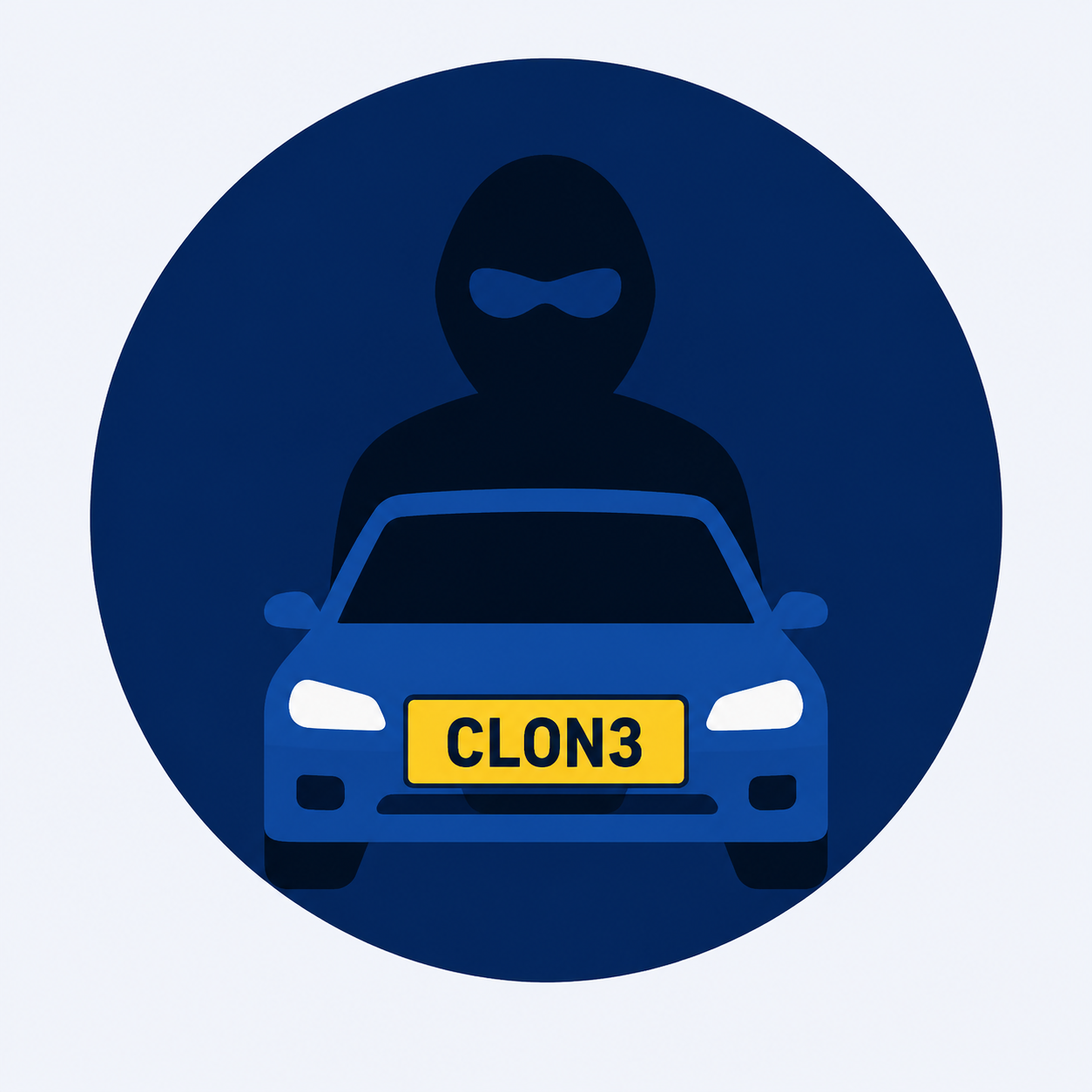
A cloned plate is simple to produce. A person finds a vehicle of the same make and colour as theirs, notes the registration, and orders replica plates online. No checks are run on who is ordering. The plates arrive, are fixed to the car, and the driver now effectively borrows your identity. They can speed through cameras, drive in bus lanes, or even commit more serious offences, and all the penalties land on your doorstep.
The reason this works is that the system trusts the plate. ANPR cameras read the characters, check the database, and issue a penalty to the registered keeper. There is no real-time check on whether the physical vehicle matches the recorded one. The flaw is not in the cameras or the database itself. The flaw is that registration data can be accessed and used by anyone who copies a plate, because there is no active layer of verification on each lookup.

This is where the concept of secure number plate registration protect-a-plate becomes relevant. It adds a layer of protection that makes it harder for cloned plates to pass as genuine. Instead of relying purely on the plate number, the system can flag anomalies or require additional confirmation before a penalty is issued.
What secure registration actually involves
Secure number plate registration is not a single technology or a one-time fix. It is a combination of practices and systems that together reduce the risk of identity theft through cloning. At its core, it means that when your registration is used, the system can verify that the vehicle presenting that plate is actually yours.
One practical element is real-time alerts. If your plate is used in a location far from where your vehicle is parked, or at a time when the car is known to be elsewhere, a notification can be sent to you. That early warning gives you a chance to challenge the penalty before it becomes a fine or a court summons. Another element is secure identity verification during the registration process itself, so that cloning a plate does not automatically give the cloner access to your personal data or allow them to change your address or vehicle details.
Some systems also use vehicle fingerprints - small, hard-to-copy identifiers like a hidden mark or a microchip that can be read alongside the plate. If the fingerprint does not match the plate, the system knows something is wrong. These methods do not replace the existing registration system. They sit on top of it, adding extra checks where they matter most.
The real cost of ignoring registration security
Drivers often assume that if they have done nothing wrong, they have nothing to worry about. That assumption is dangerous. Cloning victims face a burden of proof that is difficult to carry. You have to show that your car was elsewhere, that the number plates on the offending vehicle were not yours, and that you had no involvement in the offence. This can take months and may require legal help. Meanwhile, penalty points, fines, and even court dates can pile up.

The problem is growing because ANPR coverage is expanding. More cameras mean more lookups, and more lookups mean more opportunities for cloned plates to be caught in the wrong context. The system is not designed to be suspicious. It is designed to be efficient. That efficiency works against the victim when a clone is active.
Practical steps drivers can take
- Check your penalty notices immediately. If you receive one for a time or place that does not match your records, do not ignore it. Respond quickly and explain that your plate may have been cloned.
- Keep a record of your vehicle's location. A simple log or a photo from your phone can help prove where the car was on a given date.
- Consider using a verification service that monitors your registration and alerts you to unusual activity. This is where secure number plate registration protect-a-plate comes into practical use.
- Report any suspected cloning to the police and to the DVLA. The earlier you act, the easier it is to stop the misuse.
Who benefits from better registration security
The obvious beneficiaries are individual drivers who want to avoid the headache of dealing with cloned plates. But the benefits go further. Enforcement agencies benefit when the data they rely on is accurate. Fewer mistaken penalties mean less time wasted on appeals and investigations. The insurance industry also benefits because cloned plates are sometimes used to hide the identity of vehicles involved in accidents or fraud. When registration data is reliable, premiums can be set more fairly.
There is also a public safety angle. Vehicles used in crime often carry cloned plates. If the system can detect a mismatch quickly, it becomes harder for criminals to operate with impunity. Secure registration does not stop all crime, but it raises the bar enough that many opportunistic offenders move on to easier targets.
What to look for in a registration protection service
Not all services are the same. Some only offer a basic database check that tells you if your plate has been flagged. Others provide real-time alerts and active verification. When evaluating a service, ask whether it monitors ANPR lookups, whether it notifies you immediately, and whether it helps you generate evidence to challenge penalties. A good service should also respect your privacy and not share your data with third parties without your consent.
The phrase "secure number plate registration" often appears alongside specific brand names. One such brand is Protect-A-Plate, which focuses on real-time alerts and identity verification for UK drivers. The idea is to give you a layer of defence that sits between your registration and the people who might misuse it.
The bigger picture
Number plate cloning is not going away. The technology to create replica plates is cheap and accessible. The only real defence is a system that can tell the difference between a genuine registration and a fake one, and that can alert the owner before the damage is done. Secure number plate registration protect-a-plate is a model for how that defence can work in practice. It combines secure identity checks with active monitoring, so that the burden of proof shifts away from the victim and onto the system.
For drivers who want peace of mind, the choice is clear. Relying on the basic registration process alone is no longer enough. Adding a layer of verification and alerting is a sensible step, and one that can save months of stress and expense. The key is to act before a clone appears, not after.
 Twitter
 Facebook
 Instagram